
Nia
If the word “workout” makes your shoulders creep up towards your ears, you’re not alone.
Somewhere along the way, a lot of us learned that moving our body meant counting reps, watching the clock and pushing through. Nia offers something different. Barefoot, to music, you move in a way that feels good, and that’s the whole point.
What is it?
01Nia is a barefoot movement class that blends three worlds of movement, set to music:
- The dance arts: jazz, modern dance and the free, expressive style of Isadora Duncan.
- The martial arts: tai chi, taekwondo and aikido.
- The healing arts: yoga, the Feldenkrais Method and the Alexander Technique.
You don’t need to know any of them. You’ll simply feel the mix: a moment that feels like dancing, a punch that feels like power, a stretch that feels like breathing out.
Nia was developed in the United States in the 1980s and is now taught around the world, including in Australia. A guiding idea is moving in “your body’s way”. The teacher leads a routine, but you choose how big, small, fast or slow to make each movement, depending on how you feel that day.
What may it help with?
02People often find Nia when they want to move, but the gym feels unwelcoming, competitive or simply not them.
It’s commonly explored for chronic stress, low mood and feeling disconnected from your body. Because every movement can be adapted, it also suits people living with pain, changing bodies or health conditions that make high-impact exercise hard.
And sometimes it’s simply about joy. Moving to music, laughing at a step you got completely wrong and feeling your heart lift can be its own kind of medicine on a heavy day.
How does it work?
03Nia brings together three things that are each good for your mind.
Joy. Music lifts your mood before you’ve even noticed. When movement feels like play, you look forward to it, and you keep coming back.
Strength. The martial arts moves matter. A firm punch, a strong stamp or a sharp breath out can help you feel powerful again, especially if you’ve spent a long time feeling small, tired or flat.
Listening. Instead of pushing through, Nia invites you to notice how each movement feels and adjust as you go. Over time, that can grow into a kinder, more trusting relationship with your body.
Add moderate physical activity and a room full of people moving together, and you have a lot of good things happening in one hour.
What does the evidence say?
04Nia has only been studied a little on its own, but the early signs are promising, and the research on movement like this is strong.
In a small 2013 trial, women having radiation therapy for breast cancer practised Nia at home. Those who did it regularly felt less fatigued than women who received usual care [1].
More broadly, a major 2024 review in the BMJ compared every type of exercise for depression across 218 trials. Walking, yoga, strength training and dance all helped, and dance showed some of the largest effects [2]. Nia brings several of those together in one class.
What does a class look like?
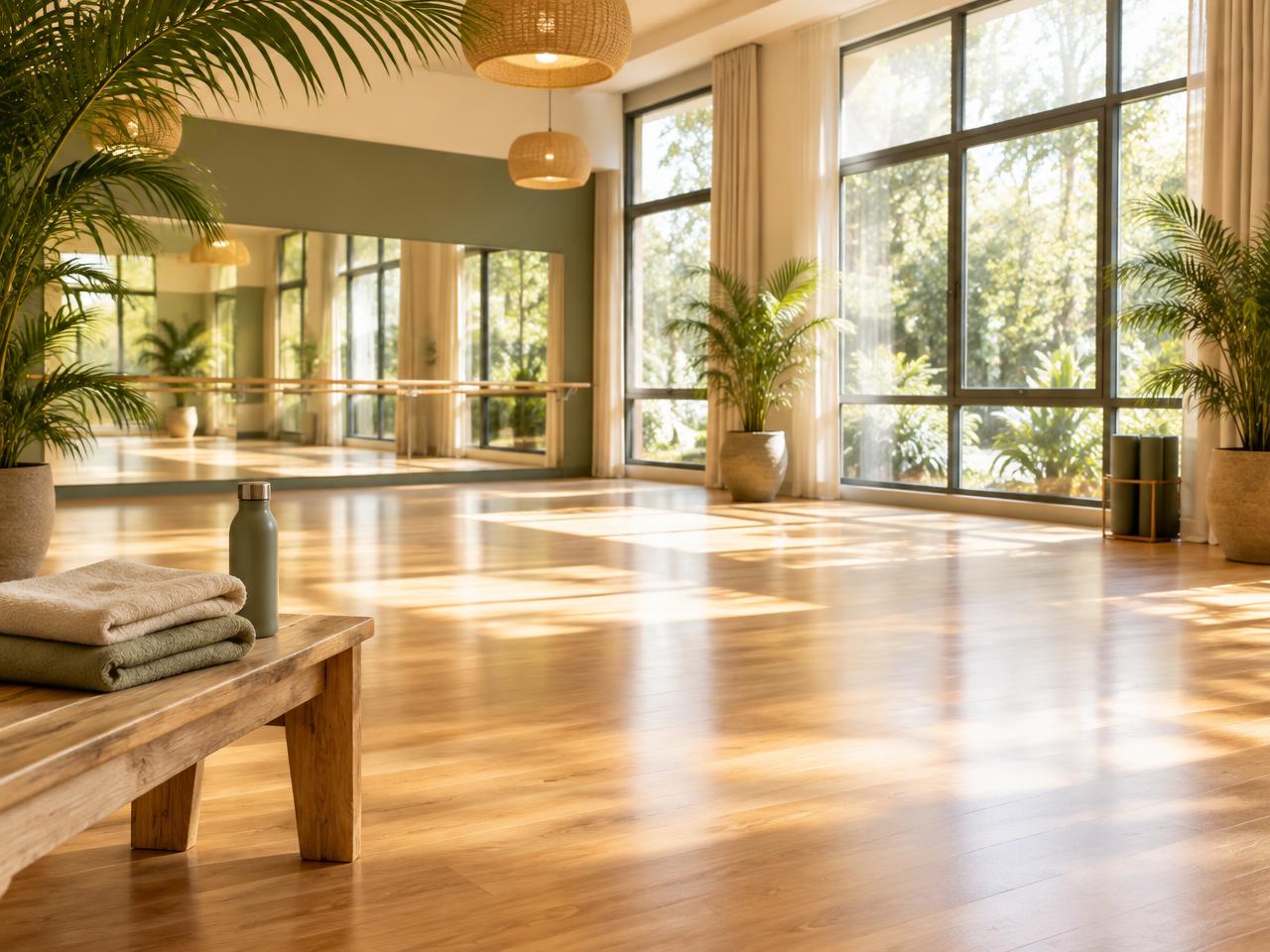
05Classes usually run for about an hour, barefoot, to a playlist that builds, peaks and softens. You might move through dance steps, martial arts moves such as punches, kicks and blocks, and slower, flowing sections where you catch your breath.
Teachers usually show a few levels for each movement, so you can choose what suits you and change your mind halfway through. Some people stomp and spin. Others sway near the back of the room. Both are Nia.
Getting a step “wrong” isn’t really possible here. If you go left when everyone else goes right, that’s your body’s way.
Something to try: a two-minute Nia warm-up
- Stand barefoot, knees soft, and put on a song with a steady beat.
- Rock gently from heel to toe, feeling your whole foot on the floor.
- Let your hips circle, one way and then the other.
- Make loose fists and punch slowly forward, breathing out with each one.
- Then let go of the rules and move however feels good until the song ends.
Notice your breath, your heartbeat and how your feet feel on the ground.
Considerations
06Bare feet, your choice. Nia is usually done barefoot. If you have foot pain, balance concerns or reduced feeling in your feet, light shoes are fine.
Make it yours. Let the teacher know about any injury, pain or health condition, so they can show you gentler options.
Questions to ask a teacher
07- Are you a currently certified Nia teacher?
- How do you adapt the class for someone with pain or limited mobility?
- Is there a gentler class, or one for beginners?
You’ve read about it. Now what can you actually do?
You don’t need to have the perfect plan. Choose the next step that feels most useful for where you are right now.
Always speak with a qualified health professional before starting something new. If you are struggling right now, find immediate support.
Want to keep exploring?
Recommended articles, books, podcasts and lived experiences related to this topic.
Explore the LibraryRelated Tools
This is educational information. It is not a recommendation that this approach is right for you. Always speak with a qualified health professional.
