
Massage and bodywork
Explore different styles of massage and bodywork and find an approach that suits how you want to feel.
How Massage & Bodywork Can Help
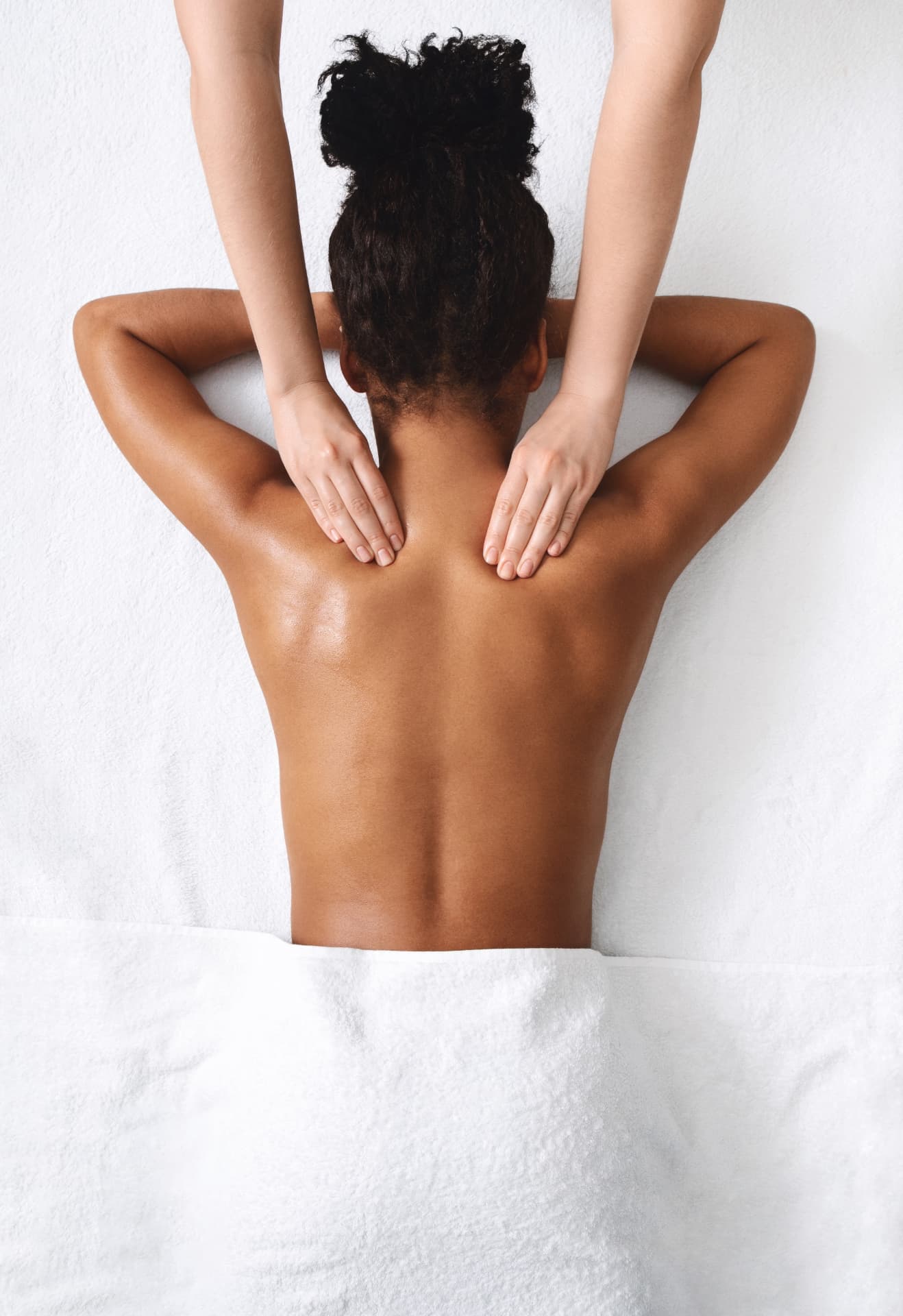
01Massage and bodywork use hands-on techniques to work with muscles and other soft tissues. Some styles use slow, flowing strokes to help you unwind. Others focus on a specific area of tension, stiffness or soreness.
If stress leaves you feeling tense, numb or disconnected from your body, gentle touch can give you space to slow down and notice what you’re feeling. For some people, the experience of being cared for is as meaningful as the physical relief.
Below, we explore a few styles, from the flowing rhythm of Ka Huna and Lomi Lomi to the more focused approach of remedial massage.
Massage & bodywork to explore
Ka Huna bodywork
Ka Huna bodywork is a Hawaiian-inspired style of massage that uses long, rhythmic strokes, often with the practitioner’s forearms. The steady rhythm can give you room to slow down and notice what you’re feeling. Sometimes that’s a sense of calm. Sometimes it’s anger, sadness or grief you’ve had little space to feel. You can have that experience without having to explain it.
Lomi Lomi (lomilomi)
Lomi Lomi (lomilomi) is a Native Hawaiian practice of healing touch. Approaches vary across families, teachers and lineages, and the practice can have a spiritual dimension. If you’re carrying grief, anger or resentment and words feel hard to find, receiving touch in a way that feels comfortable to you can offer a quiet space to sit with those feelings. Some people find that emotional. Others simply feel more at ease in their bodies.
Swedish or relaxation massage
Swedish or relaxation massage uses gliding strokes and gentle kneading. It’s a good starting point if your main aim is to unwind and ease everyday muscle tension.
Remedial massage
Remedial massage focuses on a specific area, such as a stiff neck, tight shoulders or a sore back. The practitioner tailors the pressure and techniques to what’s bothering you. It may offer short-term relief from some muscle aches and stiffness.
Sports massage
Sports massage focuses on muscles you use in training or sport. People often choose it to ease soreness or stiffness after activity or to give an overworked area some attention.
Traditional Thai massage
Traditional Thai massage combines rhythmic pressure and assisted stretches, usually while you’re clothed. It’s a more active style to explore if you like being guided through movement and stretching.
Shiatsu
Shiatsu is a Japanese style of bodywork that uses steady pressure with the fingers and palms, usually through clothing. It may suit you if you find sustained pressure soothing and prefer to stay dressed.
Craniosacral therapy
Craniosacral therapy uses very light touch, often around the head, spine and pelvis. It may appeal if firmer massage feels overstimulating and you want a quiet, gentle session. Evidence for treating health conditions is limited.
Watsu (water-based bodywork)
Watsu (water-based bodywork) takes place in a warm pool, where a practitioner supports you as you float and guides you through gentle stretches and slow, flowing movements. The support of the water can help you soften muscle tension and feel more at ease in your body. Some people explore Watsu alongside trauma therapy as a gentle way to reconnect with their body and give any feelings that come up room to move.
You’ve read about it. Now what can you actually do?
You don’t need to have the perfect plan. Choose the next step that feels most useful for where you are right now.
Always speak with a qualified health professional before starting something new. If you are struggling right now, find immediate support.
Want to keep exploring?
Recommended articles, books, podcasts and lived experiences related to this topic.
Explore the LibraryRelated Tools
This is educational information. It is not a recommendation that this approach is right for you. Always speak with a qualified health professional.
