
Ancient Plant Medicines
Traditional plant medicines used ceremonially by Indigenous cultures for centuries, including ayahuasca, San Pedro and peyote.
What is it?
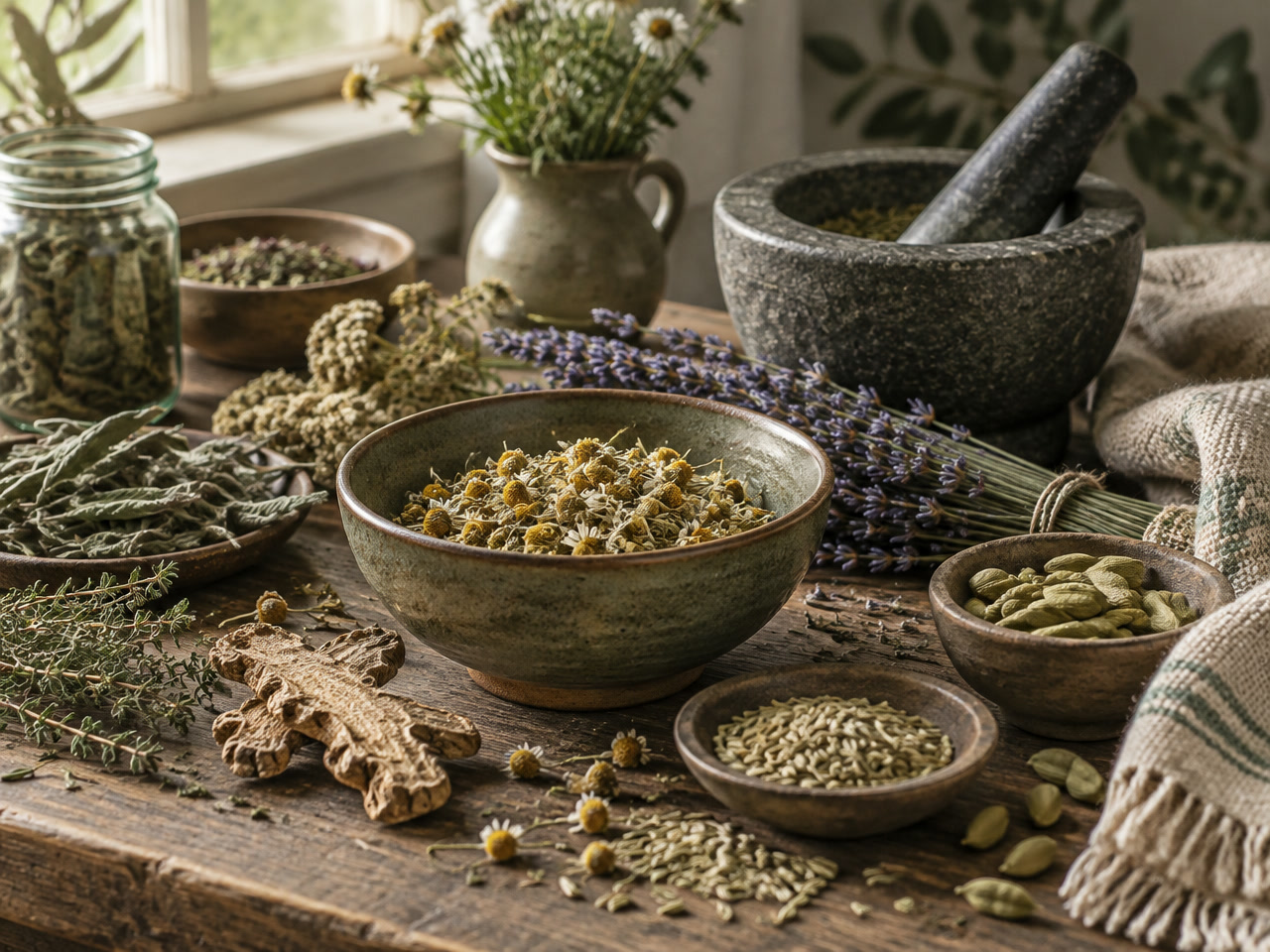
01Long before psychedelics entered laboratories, clinical trials or modern psychology, humans were using plants, fungi and naturally occurring psychoactive compounds to explore consciousness, process emotion, seek insight, mark major life transitions and connect with community, nature, ancestors and spiritual traditions.
Across parts of Africa, the Amazon, the Andes and Mesoamerica, these medicines formed part of sophisticated cultural and healing systems. They were rarely viewed as simply a substance to consume. Ceremony, music, ritual, intention, community and the guidance of experienced healers were often central to the experience.
Ancient cultures did not use today's language of trauma, neuroplasticity, depression or nervous-system regulation, but many of the purposes described in historical and ethnographic records feel remarkably familiar: healing, emotional release, understanding suffering, resolving conflict, finding meaning, receiving insight and helping people move through important periods of change.
Today, science is beginning to investigate some of these traditions through an entirely different lens.
Unlike MDMA- and psilocybin-assisted therapy, most of the medicines below are not established regulated forms of psychedelic-assisted therapy. Some, however, particularly ayahuasca, ibogaine and mescaline, are increasingly being researched for their potential relevance to mental health, addiction and wellbeing.
Iboga
02Origin: Central Africa | Traditionally associated with: initiation, insight, healing and connection to ancestors
Iboga comes from the root bark of Tabernanthe iboga, a shrub native to Central Africa, particularly Gabon. It has been used for centuries within Bwiti spiritual traditions and remains culturally significant today.
In traditional Bwiti initiation ceremonies, iboga has been used to facilitate profound visionary experiences, reflection on one's life and a sense of connection across generations and with ancestors. It has also traditionally been used in smaller amounts for alertness and medicinal purposes.
Its primary psychoactive alkaloid, ibogaine, eventually attracted attention far beyond Africa after reports emerged in the 1960s that it appeared to interrupt opioid withdrawal and drug craving in some people.
Modern research is now exploring ibogaine particularly in relation to substance-use disorders, psychological wellbeing and trauma, making it one of the most fascinating bridges between ancient ceremonial knowledge and contemporary neuroscience.
Ibogaine also carries a serious physical risk that deserves to be understood. It can affect the electrical rhythm of the heart, lengthening what is known as the QT interval, and this can lead to dangerous and sometimes fatal heart rhythms. Deaths have been reported, heart rhythm problems have occurred in people with no known heart condition, and some medications can raise the risk by changing how ibogaine is processed in the body. This is why modern research uses careful medical screening, heart monitoring and medical supervision throughout. [6, 7]
Traditionally explored for: initiation, life review, spiritual connection, personal insight and healing.
Ayahuasca
03Origin: Amazon Basin | Traditionally associated with: healing, insight, emotional processing and spiritual connection
Ayahuasca is an Amazonian ceremonial brew most commonly made by combining the Banisteriopsis caapi vine with a DMT-containing plant such as Psychotria viridis, known as chacruna.
Its precise origins remain debated, but psychoactive plant traditions involving related compounds extend deep into South American history. Ayahuasca has long been used within Indigenous and later syncretic traditions for healing, ceremony, divination and spiritual exploration.
People commonly describe experiences involving vivid imagery, autobiographical memories, emotional release, altered perspectives and a strong sense of connection with nature, other people or something greater than themselves.
Modern researchers have become particularly interested in its potential relationship with depression, emotional wellbeing, substance misuse and psychological flexibility. A placebo-controlled clinical trial has reported rapid antidepressant effects in people with treatment-resistant depression, while more recent research continues to explore longer-term outcomes.
Traditionally explored for: healing, emotional release, guidance, understanding patterns, spiritual insight and connection.
San Pedro (Huachuma)
04Origin: Andes | Traditionally associated with: healing, connection, ceremony and divination
San Pedro, traditionally known in parts of the Andes as Huachuma, is a mescaline-containing cactus with an extraordinarily long history.
Archaeological evidence suggests ceremonial use of San Pedro by pre-Columbian cultures including the Cupisnique and Chavín thousands of years ago. Its imagery appears in ancient art and ceremonial sites, and the tradition has continued within Andean healing practices.
Compared with some other ceremonial medicines, San Pedro is often described as producing a long, expansive experience involving heightened perception, emotional openness and connection with nature, people and one's internal world.
Traditional healers have used it within elaborate ceremonies concerned with healing, identifying the source of distress, cleansing and helping restore balance.
Its primary psychoactive compound is mescaline, which is now experiencing renewed scientific interest after decades of relatively little research.
Traditionally explored for: healing, emotional openness, connection with nature, insight, divination and restoration of balance.
Peyote
05Origin: Mexico and North America | Traditionally associated with: prayer, healing, community and spiritual connection
Peyote is a small cactus native to Mexico and parts of the southern United States. Like San Pedro, its principal psychedelic compound is mescaline.
Archaeological evidence suggests humans have used peyote for thousands of years, making it one of the oldest documented psychedelic plant traditions in the world. Its ceremonial history predates European colonisation and continues today within Indigenous spiritual traditions, particularly the Native American Church.
Historically, peyote ceremonies have combined the medicine with prayer, music, community, reflection and healing. This is an important reminder that the medicine itself was only one element within a much larger cultural container.
Traditionally explored for: prayer, healing, guidance, community connection, meaning and spiritual insight.
Mescaline
06Found naturally in: San Pedro, Peyote and other cacti
Mescaline is not itself a plant. It is the naturally occurring psychedelic compound responsible for much of the psychoactive experience produced by San Pedro and peyote.
Its history is therefore intertwined with Indigenous cactus traditions stretching back thousands of years.
Mescaline became important to Western science in the late nineteenth and twentieth centuries and was one of the earliest psychedelics formally studied by psychologists, psychiatrists and neuroscientists.
Modern research remains far smaller than the research surrounding psilocybin, but scientific interest is returning, including exploration of wellbeing, depression, addiction and other psychological outcomes.
Historically associated with: expanded perception, introspection, connection, emotional insight and spiritual experience.
Syrian Rue (Peganum harmala)
07Origin: Middle East, Central Asia and surrounding regions | Traditionally associated with: folk medicine, ritual and protection
Syrian Rue, Peganum harmala, has a different history from the Amazonian and Mesoamerican medicines.
Its seeds contain harmine and harmaline, compounds related to those found in the ayahuasca vine Banisteriopsis caapi. These compounds inhibit the enzyme monoamine oxidase and can significantly alter how other psychoactive compounds are processed by the body.
Syrian Rue has a long history within traditional medicine across Iran, Central Asia, North Africa and the Middle East, where different parts of the plant have been used in medicinal, cultural and ritual practices.
It is sometimes used today as part of psychedelic preparations because of its harmala alkaloids, although this is distinct from traditional Amazonian ayahuasca.
Because of this, Syrian Rue deserves particular care. Combining it with other psychoactive substances, such as 5-MeO-DMT, can be dangerous, and the seeds themselves have caused poisoning, with effects such as nausea, vomiting, confusion and loss of coordination. If you take prescribed medication, particularly an antidepressant, this is something to talk through with your doctor. [17, 18]
Traditionally associated with: folk medicine, ritual practices and cultural traditions surrounding cleansing and protection.
Sacred Mushrooms
08Origin: particularly Mesoamerica | Traditionally associated with: healing, divination and communion with the sacred
Psilocybin-containing mushrooms are technically fungi rather than plants, but no overview of ancient ceremonial medicines would be complete without them.
Mesoamerican cultures including the Mexica, Zapotec and Mazatec incorporated psychedelic mushrooms into ceremonial and healing traditions. Historical records describe teonanácatl, commonly translated as "flesh of the gods", being used during religious and healing ceremonies.
They were used to facilitate visions, seek guidance, connect with spiritual realms and explore illness or personal difficulties.
Unlike many of the medicines on this page, psilocybin has now moved firmly into modern psychedelic science and is being studied extensively within structured therapeutic settings.
Traditionally explored for: healing, insight, divination, spiritual connection and understanding personal difficulties.
Salvia Divinorum
09Origin: Oaxaca, Mexico | Traditionally associated with: healing and divination
Salvia divinorum is a psychoactive plant traditionally associated with the Mazatec people of Oaxaca.
Its active compound, salvinorin A, is unusual because it works primarily through the brain's kappa-opioid receptors rather than through the serotonin system targeted by classic psychedelics.
Traditional Mazatec practices have incorporated the leaves within healing and divinatory ceremonies. The experience can produce dramatic changes in perception and consciousness, despite being pharmacologically very different from psilocybin, mescaline or DMT.
Traditionally explored for: healing, divination, altered consciousness and spiritual enquiry.
Yopo & Vilca
10Origin: South America | Traditionally associated with: vision, divination, healing and communication with the spiritual world
Less well known in the West, Yopo and Vilca are preparations made from seeds of trees belonging to the Anadenanthera genus.
Archaeological evidence shows ceremonial use in South America dating back around 3,000 years, with seeds and specialised snuffing equipment discovered at ancient sites across the Andes and surrounding regions.
The seeds contain psychoactive tryptamines including bufotenine, with some preparations also associated with DMT and 5-MeO-DMT.
Historically, these medicines formed part of rituals involving healing, prophecy, divination and communication with the spiritual world.
Traditionally explored for: vision, guidance, divination, healing and spiritual connection.
Ancient Knowledge, Modern Science
11What is perhaps most fascinating about these medicines is not simply that ancient cultures discovered psychoactive plants.
It is how they used them.
Many traditions understood that an altered state alone was not necessarily the point. Medicine was embedded within ceremony, music, relationship, intention, community, storytelling, ritual and meaning.
Thousands of years before terms such as set and setting, integration or psychedelic-assisted therapy existed, cultures had already developed structured ways of preparing people for profound altered states and helping them make meaning from what emerged.
Modern science is now asking its own questions: What happens to the brain? Why can memories become so vivid? Why might rigid patterns temporarily loosen? What creates emotional release? Why do some experiences produce enduring changes in behaviour or perspective?
We are only beginning to understand the answers.
At The Mental Wealth Hub, we believe both perspectives are worth understanding: the emerging science and the ancient knowledge that came long before it.
These traditions remind us that humans have been exploring the relationship between plants, consciousness, emotion, suffering and healing for thousands of years.
And science is only just beginning to catch up.
Risks and considerations
12Ceremony can hold real power and meaning, and many of these traditions carry deep knowledge about preparing and caring for people. Respecting that potential means being just as clear that preparation, skilled support and integration matter enormously, and that a ceremony may not provide all three.
- A meaningful ceremony isn't the same as therapeutic support. A ceremony can be deeply significant without including the psychological care some people need before or after it. In an international survey of more than 10,000 people who had used ayahuasca, over half reported difficult emotional effects in the weeks or months afterwards. Most came to see these as part of a process of growth, and around one in eight sought professional support. [23]
- Integration is where much of the work happens. What surfaces in a ceremony can keep unfolding for weeks or longer. Ask what support is available afterwards, who you can contact and for how long, rather than assuming it's included. People with a history of anxiety or depression may be more likely to find the time afterwards difficult, and may benefit from extra support. [23, 24]
- Know who is holding the space. Joining an unfamiliar group without understanding who is facilitating can leave you exposed. Ask about the facilitator's training and experience, how participants are screened and what safeguards are in place. A group may include people carrying complex trauma, each with very different needs. A skilled facilitator needs to recognise and respond to distress, protect everyone's boundaries and manage the group responsibly.
- Standards and oversight vary. Ceremonial settings differ widely in their screening, medical support, facilitator conduct and accountability. Physical problems were more common when ayahuasca was taken without supervision. [23] As research develops and some practices move into more formal care, it helps to understand the difference between a ceremonial experience and a properly supported therapeutic process: screening beforehand, preparation, skilled support during the experience and integration afterwards.
- Legal and medication safety. Several traditional plant medicines, including ayahuasca, are illegal in Australia, and some can interact dangerously with common medications.
You’ve read about it. Now what can you actually do?
You don’t need to have the perfect plan. Choose the next step that feels most useful for where you are right now.
Always speak with a qualified health professional before starting something new. If you are struggling right now, find immediate support.
Want to keep exploring?
Recommended articles, books, podcasts and lived experiences related to this topic.
Explore the LibraryRelated Tools
This is educational information. It is not a recommendation that this approach is right for you. Always speak with a qualified health professional.
