

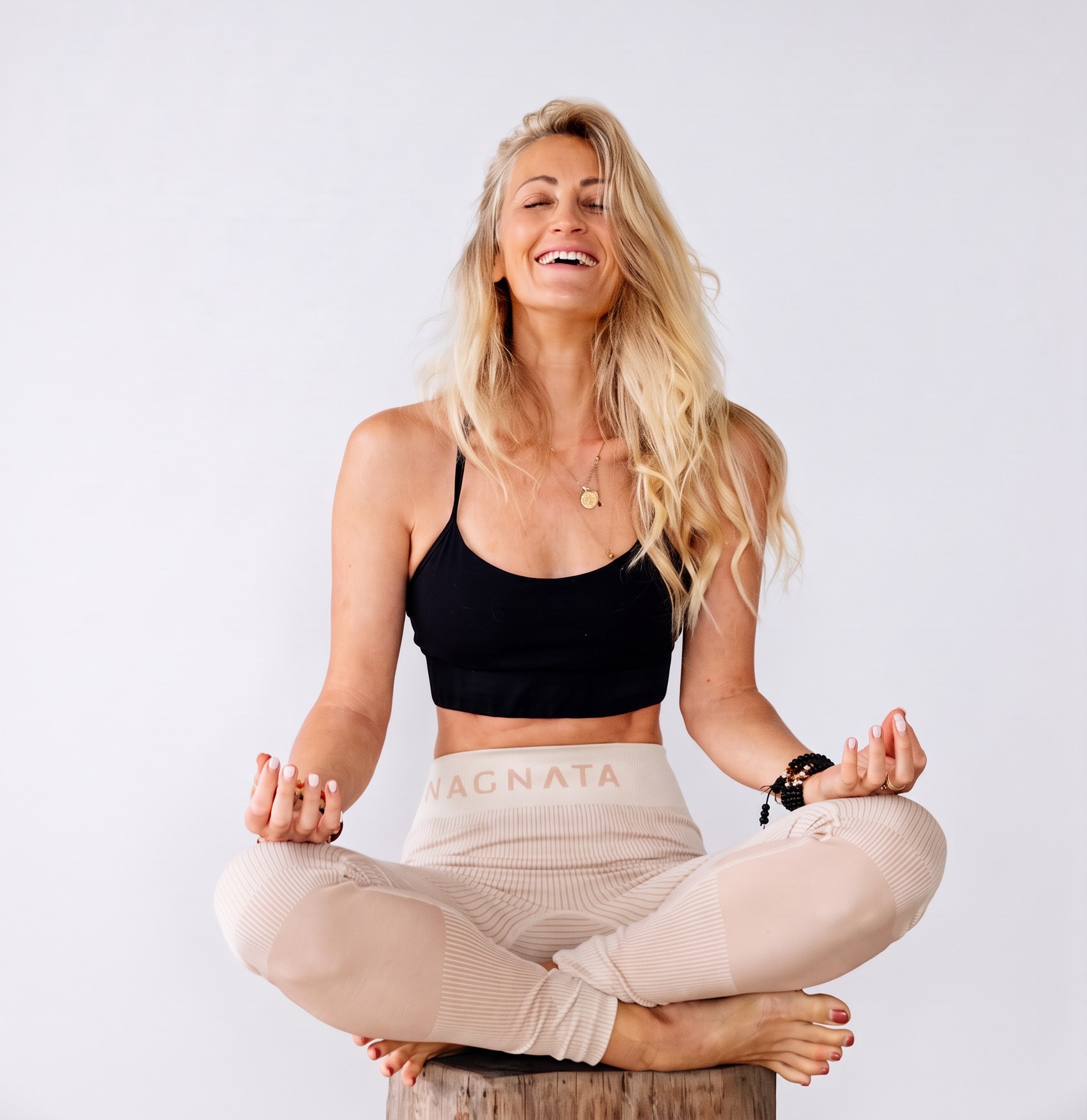
The last thing we do before we leave it is let one go. And somewhere in between, most of us completely forget how powerful breathing actually is. Which feels mildly ridiculous considering we carry it around with us all day, it’s free, requires no subscription, and you can’t accidentally leave it at home. Breathwork is the intentional use of breathing patterns to influence how we feel physically and emotionally. Depending on the technique, it can be slow and regulating, energising, meditative or, in longer guided sessions, surprisingly powerful.
Research suggests that controlled breathing, particularly slower breathing, can influence the autonomic nervous system, improve measures associated with heart rate variability and support the body in moving from heightened arousal towards a calmer physiological state [1]. Research has also linked breathwork with reductions in self reported stress, anxiety and depressive symptoms, although, like many areas of mind body medicine, the evidence base is still developing [2].
But breathwork can go much deeper than relaxation
This is where I think it gets fascinating. For me, guided breathwork has become another form of somatic therapy. Instead of sitting in a chair trying to explain for the 47th time why you feel the way you feel, you turn your attention towards the body. And sometimes the body has quite a lot to say. I have experienced extraordinary emotional releases through breathwork. Crying, shaking, memories surfacing, grief moving through me, tension releasing. All without needing to intellectually analyse every part of it first. It has genuinely been a game changer for me. It can feel like therapy without all the talking.
Your breathing changes what is happening inside your body. It changes your heart rate, your nervous system, your attention and your awareness of physical sensations. And when you create enough safety, space and awareness, emotions can sometimes surface in ways that are difficult to access through conversation alone. We should be careful not to claim that breathwork magically releases specific trauma stored somewhere in the body. The science around trauma, somatic memory and emotional release is still developing.
But the relationship between breathing, interoception, emotion, the autonomic nervous system and the brain is becoming increasingly understood.
Meet Joey Hurl
One of the practitioners we are featuring on The Mental Wealth Hub is breathwork and somatic facilitator Joey Hurl, who you can find on Instagram at @joey.hurl. Joey’s work combines conscious breathing, somatic awareness, nervous system education and emotional processing. Her approach is centred around creating enough safety in the body for people to slow down, connect inwardly and allow whatever needs attention to surface. And that is something I have come to understand deeply through my own experience. Breathwork is not always about taking bigger breaths. Sometimes it is about breathing slower. Sometimes it is noticing that you are barely breathing at all.
Sometimes it is realising you have been unconsciously holding your breath every time your nervous system feels threatened. And sometimes, with a skilled facilitator like Joey Hurl and the right environment, it can become a deeply emotional experience where the body finally gets the space to express something the thinking brain has been trying to solve for years. That is why breathwork has become such an important part of my own Mental Wealth toolkit. It is simple. It is accessible. It is always with you.
And it is extraordinary to think that one of the most powerful tools we have for influencing our nervous system is something we have been doing since the moment we were born. The first thing we do is breathe. The last thing we do is breathe. Perhaps we should pay a little more attention to everything that happens in between.
A note on safety
Breathwork techniques vary enormously. Gentle breathing practices are very different from intense rapid breathing or prolonged breath holding. Stronger practices can cause dizziness, tingling, panic like sensations or powerful emotional experiences and may not be appropriate for everyone. If you are exploring deeper breathwork, particularly if you have cardiovascular, respiratory, neurological or psychiatric conditions or are pregnant, professional guidance is important.
Carlie Silva
Founder, The Mental Wealth Hub
