
Zen Meditation (Zazen)
Zen has a reputation for being mysterious. Riddles with no answers. Monks in silent temples. The sound of one hand clapping.
Its main instruction, though, is anything but mysterious: sit down. Then keep sitting, with your whole attention, and see what happens.
What is it?
01Zazen means “seated meditation”. It’s the central practice of Zen Buddhism, which developed in China and later flourished in Japan.
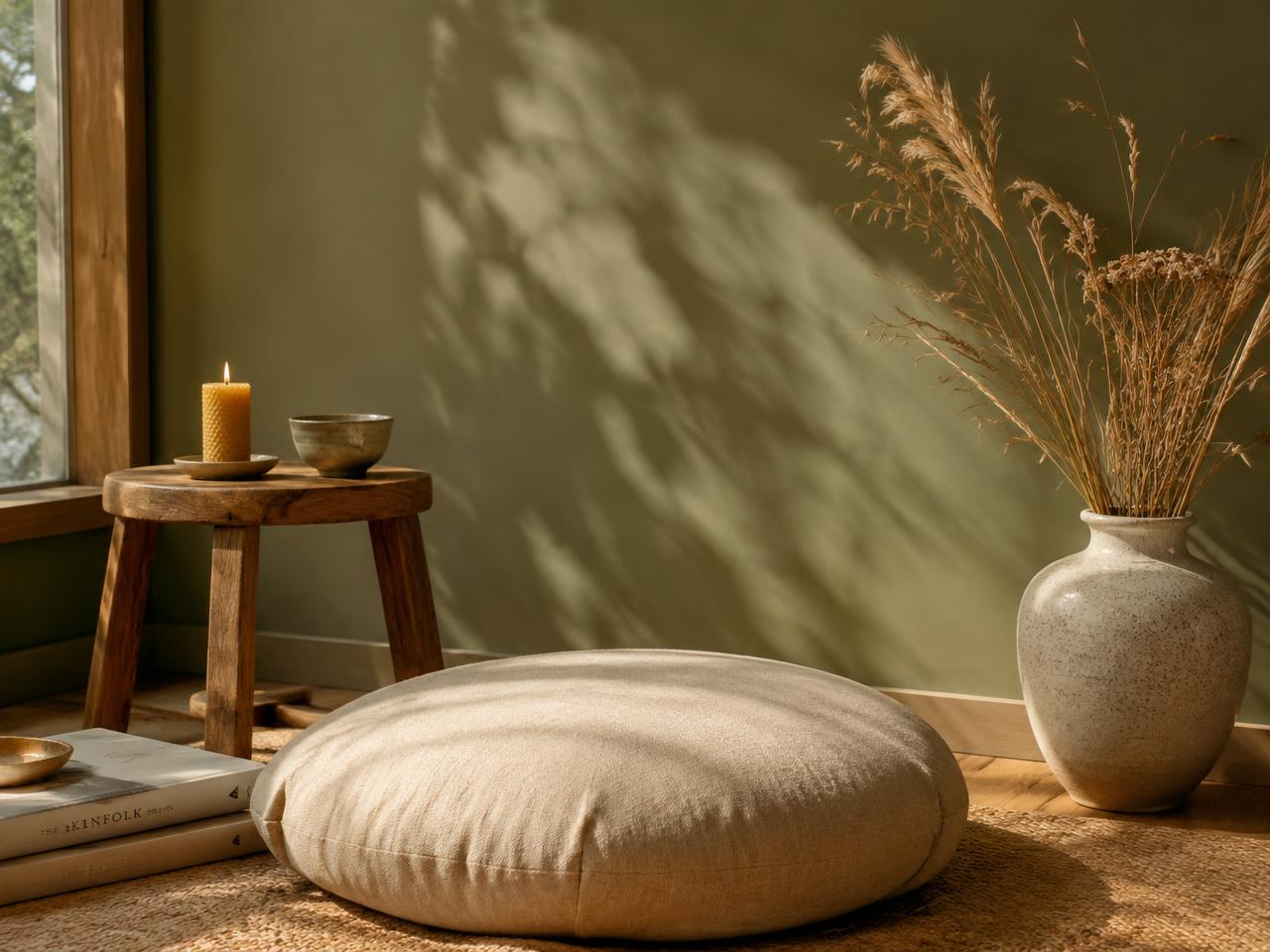
In zazen, you sit in a steady, upright posture and rest your attention on the breath or on simply being present. When thoughts arise, you don’t chase them or fight them. You let them pass, like clouds moving across the sky, and return to sitting.
Some Zen schools teach beginners to count their breaths from one to ten. Others practise “just sitting”, with no technique at all. Some also work with koans, short puzzling questions designed to loosen the grip of ordinary thinking.
There are Zen groups and centres in most Australian cities, and many welcome beginners to join a sitting.
What may it help with?
02People are often drawn to Zen when they feel overwhelmed by complexity, or stuck in their own heads, and long for something simple and steady.
It’s commonly explored for feeling stuck, stress and overwhelm. Many people also come for the discipline and sense of stillness, and stay for the community of a regular sitting group.
Tags: Feeling stuck · Stress · Overwhelm
How does it work?
03In Zen, the body matters as much as the mind. How you sit is part of the practice.
An upright, balanced posture helps you stay alert without strain. Your breath settles low into your belly. Your eyes stay half-open, gazing softly at the floor, so you remain present rather than drifting into daydreams or sleep.
Then there’s the practice of letting thoughts be. Most of us spend our days following every thought wherever it leads. Zazen invites you to notice a thought, leave it alone and come back. Again and again. Over time, many people find their thoughts have a little less power over them.
And there’s the spirit of beginner’s mind: meeting each moment freshly, without assuming you already know what it holds.
“In the beginner’s mind there are many possibilities, but in the expert’s there are few.”
Shunryu Suzuki, Zen Mind, Beginner’s Mind
What does the evidence say?
04Zen has been practised for well over a thousand years. Much of the research on it looks at the brains of long-term practitioners, such as monks. For everyday stress and mood, the wider research on meditation tells a clear story.
A 2014 review of 47 trials, involving more than 3,500 people, found meditation programs could ease anxiety, depression and pain. Meditation worked about as well as, but not better than, other active approaches such as exercise or therapy. [1]
Zen shares much with these practices, especially its focus on breath and present-moment attention.
How to practise
05Try this: ten minutes of zazen
Body. Sit on a cushion, a meditation stool or the front edge of a chair, with your knees lower than your hips if you can. Let your spine rise tall, as if a thread is gently lifting the crown of your head. Rest your left hand in your right, palms up, with your thumbs lightly touching to make an oval.
Eyes. Keep them half-open, resting softly on the floor about a metre in front of you.
Breath. Breathe naturally through your nose. Count each out-breath silently, from one to ten. Then start again at one.
Mind. When you lose count, and you will, simply start again at one. There’s no failing. Losing count and starting again is the practice.
Set a timer for ten minutes and sit until it sounds. When it does, take a moment before you stand.
Finding a guided version
Zen is often best learned in person. Search for “Zen centre” plus your city to find a beginners’ session near you. You can also search online for “zazen instruction for beginners” to see the posture demonstrated.
Considerations
06Comfort first. You don’t need to sit cross-legged on the floor. A chair is perfectly fine. Zen is about steadiness, not strain.
Expect restlessness. The first few minutes are often the hardest. Itchy, fidgety and bored is completely normal.
Don’t chase special experiences. Zen isn’t about reaching a particular state. Sitting, as you are, is enough.
Long sittings and retreats can stir up strong feelings for some people. Start small, and let a teacher know if anything difficult comes up.
You’ve read about it. Now what can you actually do?
You don’t need to have the perfect plan. Choose the next step that feels most useful for where you are right now.
Always speak with a qualified health professional before starting something new. If you are struggling right now, find immediate support.
Want to keep exploring?
Recommended articles, books, podcasts and lived experiences related to this topic.
Explore the LibraryRelated Tools
This is educational information. It is not a recommendation that this approach is right for you. Always speak with a qualified health professional.
