
The Brain + Neuroscience
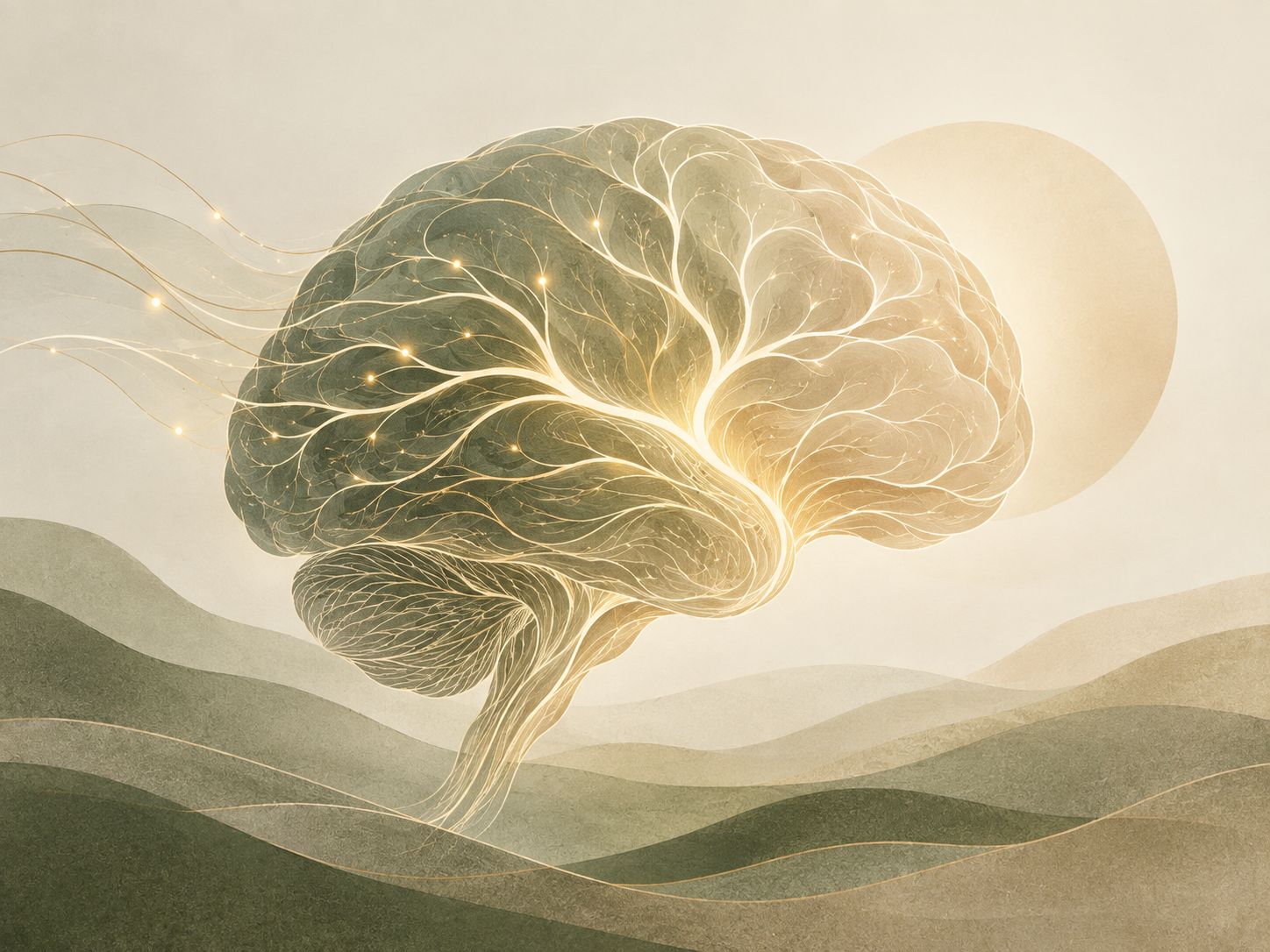
Your brain keeps changing throughout your life. Explore how experience shapes the way you think, feel and respond, and what helps you build new patterns over time.

“Your brain is not fixed, it’s flexible. Every time you learn something new, choose a different reaction, or practise a new habit, you are physically reshaping your mind.”
— Dr. Joe Dispenza
One of the most remarkable things about the brain is its ability to adapt. That’s neuroplasticity. It’s part of how we learn new skills, form habits and practise responding differently in situations where we usually fall back on familiar patterns. Over time, that practice can change what we do and how we think about ourselves, which in turn can change our lives.
Change takes time, especially when a pattern has been with us for years. Below, you’ll find tools and approaches that may support the process, from neurofeedback and brain stimulation to emerging technologies. Some have established clinical uses, while others are still being studied. We’ll explain what each is used for and what the evidence can tell us so far.
What's inside
Modalities to Explore
Mindset & Language
Notice the words you use with yourself. Explore simple ways to loosen old beliefs, reframe unhelpful thoughts and give yourself more choice in what you do next.
Music Programs
Music can help us find our focus, feel calmer or get moving. Explore how structured listening, rhythm and music therapy work with the brain’s ability to adapt.
Neurofeedback
Training that gives real-time feedback on brain activity measured through EEG.
Neuroplasticity-Based Training
Your brain isn’t set in stone. These approaches use repetition to build new ways of thinking, feeling and responding, and how well they work depends a lot on which one you choose.
Transcranial Direct Current Stimulation (tDCS)
tDCS uses a weak electrical current delivered through a headset. It’s an emerging option for depression, and some devices are designed for use at home.
Transcranial Magnetic Stimulation (TMS)
A different kind of option when depression won’t lift. TMS uses gentle magnetic pulses to stimulate the parts of the brain involved in mood, while you sit awake in a chair.
Vagus Nerve Stimulation (VNS)
A long, wandering nerve links your brain to your heart, lungs and gut. Vagus nerve stimulation sends gentle pulses along it, through a small device at the ear or neck, or an implant for hard-to-treat depression.
The Rewire
We can change.
There is hope. Our brains and nervous systems are not fixed. They are constantly adapting to what we experience, practice and repeat.
That means our patterns, beliefs, behaviours and responses can change too. With the right tools, enough safety and time, real rewiring is possible.
Explore neuroplasticity, regulation, trauma, patterns and the science of change.
Related Categories
Educational information only. Nothing here is a diagnosis or a recommendation. Speak with a qualified health professional before making decisions about your health.
