
And perhaps the biggest realization I’ve had throughout this entire journey is that for most of my life, I wasn’t necessarily trying to get high. I was trying to get away from myself.
Childhood: Where the Story Really Began
I grew up in a loving, close family as one of five children with four sisters. I was fortunate to have opportunities and experiences that many people never have. From the outside, there was no obvious reason for me to struggle the way I did. In some ways, that made my struggles even more confusing. I had people who loved me, a family that supported me, sports I loved, and every reason to believe I should have been happy. Yet internally, I often felt completely different.
When I was five or six years old, I was sexually abused by an older neighbor. At that age, I didn’t have the language or emotional capacity to understand what had happened to me. I didn’t think of it as trauma. I didn’t understand how something like that could affect the way a child sees himself, relationships, safety, trust, or the world around him. I simply carried it.
A few years later, around the age of ten, I was diagnosed with ADHD and dyslexia. School was incredibly frustrating for me. I watched other kids read, learn, concentrate, and complete assignments seemingly without effort while many of those same things required enormous effort from me. As a child, I didn’t understand that my brain simply processed information differently. Instead, I interpreted struggling as evidence that there was something wrong with me. Over time, that developed into one of the most powerful beliefs of my life: I’m not good enough. That belief followed me everywhere.
I became very good at compensating for what I felt internally. I could be social, outgoing, funny, competitive, and confident on the outside. I loved golf, skiing, being around people, and anything that allowed me to feel capable. But underneath that personality was someone who constantly compared himself to other people, worried about how he was perceived, wanted approval, and felt an enormous need to prove himself. I didn’t understand it at the time, but much of my life became an attempt to outrun the belief that I wasn’t enough.
Addiction: Finding Relief Outside Myself
At 17, I was sent away to boarding school. I desperately wanted to fit in, and alcohol and drugs offered something immediate that I hadn’t been able to create for myself. They changed the way I felt. They quieted insecurity, made connection easier, gave me confidence, and temporarily shut down the constant conversation happening inside my head. For someone who had spent years uncomfortable with himself, that relief was incredibly powerful.
In my early twenties, after having my wisdom teeth removed, I was prescribed opioids. My use eventually progressed to OxyContin, including 80-milligram pills, and ultimately heroin after OxyContin was reformulated. What initially felt like a solution became the thing destroying my life. Drugs were no longer something I used to have fun or fit in. They became something I needed in order to change the way I felt. That began a cycle that consumed much of my young adulthood. Over the course of my life, I went through twelve inpatient treatment centers. Treatment became its own strange form of education.
I learned addiction terminology, the Twelve Steps, relapse prevention, triggers, therapy, accountability, sponsorship, and virtually every concept associated with traditional recovery. I learned what therapists were asking. I learned how treatment centers operated. Eventually, I could speak the language of recovery almost fluently. What took me much longer to understand was that knowing how to talk about recovery and actually healing are not necessarily the same thing.
For years, the primary question was, “How do we get Matt to stop using drugs?” That was obviously an important question, and answering it repeatedly saved my life. But underneath it was a much deeper question that I wasn’t yet capable of asking: Why did being myself feel so uncomfortable that I continually needed something outside of me to change the way I felt?
Nine Years of Sobriety: Recovery Without Complete Healing
Eventually, I found recovery and became deeply involved in Alcoholics Anonymous. I worked the Steps, had sponsors, sponsored other people, attended meetings, and built a life around sobriety. I stayed sober for more than nine years. Those years were real and meaningful. I grew up in many ways, built relationships, learned responsibility, and discovered that helping other people could give my experiences a sense of purpose.
Recovery eventually became more than something I participated in. It became my profession. I spent nearly nine years working in behavioral health and addiction treatment. I worked directly with people going through withdrawal, early sobriety, fear, anger, family problems, crisis, and the overwhelming uncertainty of trying to rebuild a life without drugs. I understood many of the people I worked with because I had been them. I knew what it was like to arrive at another treatment center ashamed and terrified. I knew what it was like to disappoint your family again. I knew the desperation behind promising everyone, including yourself, that this time would be different.
At one point, I was even working toward buying a treatment center myself. From the outside, my life appeared to have completed the perfect recovery arc. I had gone from addiction to treatment, from treatment to sobriety, from sobriety to helping others, and potentially from being a patient to owning a treatment center.
But underneath that story, there were still parts of me that had never truly healed. I had stopped using drugs, but I hadn’t stopped looking for ways to escape myself.
During my long period of sobriety, gambling became another outlet. Later, ketamine became another. The behaviors changed, but eventually I began recognizing the common thread between them. I was still chasing relief. I still struggled with instant gratification. I still wanted something external to change what was happening internally. The childhood trauma was still there. The ADHD and dyslexia were still there. The insecurity was still there. Most importantly, the belief that I wasn’t good enough was still there.
I could have nine years sober and still feel inadequate. I could help another person change his life and still question the value of my own. I could have people I respected tell me how much potential they saw in me and be unable to fully believe them. I could look confident while internally questioning almost everything about myself. I had learned how not to use drugs, but I wasn’t sure I had ever learned how to be completely comfortable being me.
Relapse: Knowing Everything and Still Falling Apart
Eventually, after more than nine years of sobriety, I relapsed. It was devastating. There is a particular kind of shame that comes with relapsing after years of recovery, and another layer of shame when you have spent years professionally helping other people stay sober. I knew exactly what addiction could do. I knew the consequences. I knew relapse-prevention strategies. I knew meetings, sponsorship, treatment, therapy, and the entire recovery playbook. Intellectually, I knew better than to do what I was doing. None of that knowledge made me immune. The relapse escalated quickly and became extremely dangerous. I overdosed multiple times and eventually ended up detoxing in Denver before going back into residential treatment.
At 36 years old, after nearly two decades of treatment and recovery and years of professionally helping others, I found myself entering my twelfth inpatient treatment center. This time, something was different. I spent approximately 45 days at Sabino Recovery in Tucson, where much more of the focus was on trauma. I began doing intensive EMDR, sometimes six to eight hours in a week, along with individual therapy and family work. Instead of only trying to stop a behavior, I began trying to understand the person underneath the behavior.
I started connecting experiences I had previously viewed as separate chapters of my life: childhood sexual abuse, ADHD, dyslexia, feeling different, boarding school, desperately wanting to belong, addiction, gambling, ketamine, achievement, relationships, insecurity, and the constant search for something that could make me feel different. The substances and behaviors had changed repeatedly throughout my life, but the underlying pattern had remained remarkably consistent. Whether it was opioids, gambling, ketamine, achievement, approval, or something else, I was continually looking outside myself for relief from what was happening inside me.
One of the darkest periods of my life also produced one of the most important realizations I’ve ever had.
There came a point when I genuinely didn’t want to use drugs anymore, but I also didn’t really want to live. I wasn’t necessarily waking up wishing I were dead. I simply wasn’t excited about being alive. There is a profound difference between not wanting to die and actually wanting to live, and I had spent a long time somewhere in between.
I was exhausted by the thought of fighting myself for the rest of my life. I had gone through treatment after treatment, therapy, meetings, sponsorship, long-term sobriety, relapse, and starting over. I knew more about addiction and recovery than I ever wanted to know. I knew exactly what I was supposed to do. The thought of repeating that cycle for another thirty or forty years felt unbearable. I didn’t want drugs to kill me, but I couldn’t honestly say I was excited about the life I was fighting so hard to preserve.
Ibogaine: Seeing Myself Differently for the First Time
That was the place I was in when I began researching ibogaine. I approached it seriously and spent significant time learning about the medicine, its risks, and different treatment options. After months of intensive trauma work, I ultimately traveled to Mexico for medically supervised ibogaine treatment. I didn’t arrive believing that a psychedelic medicine was going to magically erase decades of addiction or trauma. After twelve treatment centers, I had become deeply skeptical of anyone claiming to possess the single answer to recovery. I simply knew that what I had been doing was no longer enough, and I was willing to explore something different.
The ibogaine experience is difficult to put into words because reducing it to visions or describing what happened during the experience misses what was most significant for me.
The most important part was the perspective it gave me on my life and the change I noticed afterward. For the first time, I felt as though I could look at every version of myself without immediately judging him. I could see the five- or six-year-old boy who experienced something he couldn’t understand. I could see the ten-year-old struggling with ADHD and dyslexia and mistakenly deciding that being different meant being less than. I could see the teenager at boarding school desperately trying to belong. I could see the young man discovering that opioids could make everything disappear temporarily. I could see the heroin addict.
I could see myself walking into treatment again and again. I could see the man who built more than nine years of sobriety. I could see the treatment professional trying to save other people. I could see the gambling, the ketamine, the relapse, and the overdoses.
For most of my life, when I looked at those versions of myself, the question underneath everything was, “What the hell is wrong with you?” After ibogaine, the question became different: What happened to you, and what were you trying so desperately not to feel? That change in perspective allowed me to understand something I had spent most of my life unable to believe.
I had built an identity around the idea that I wasn’t good enough. I thought I wasn’t smart enough, disciplined enough, capable enough, or worthy enough. I spent decades trying to prove otherwise while simultaneously behaving in ways that reinforced the exact belief I was trying to escape. After ibogaine, I began seeing that story differently. I wasn’t incapable. I wasn’t fundamentally defective. I hadn’t been missing some essential piece that everyone else possessed. I had spent most of my life standing in my own way.
Perhaps the most profound change was the quiet afterward. My mind had always been incredibly busy. There was constantly another thought, worry, idea, comparison, judgment, plan, or reason I wasn’t doing enough. I had lived with so much internal noise for so long that I assumed that was simply what being me felt like. After ibogaine, much of that noise became quiet. And in the space where so much doubt had lived, I began experiencing something I hadn’t consistently known before: confidence. Not arrogance and not the temporary confidence that comes from having other people approve of me. It was quieter than that.
For years, the people closest to me had told me what they saw in me, and I could understand intellectually why they believed in me without actually feeling the same belief myself. For the first time, I began seeing some of what they had been seeing all along.
I don’t describe myself as cured, and I don’t believe ibogaine erased addiction, trauma, or my responsibility for what I do next. It didn’t erase my childhood. It didn’t erase twelve treatment centers, nine years of sobriety, relapse, overdoses, gambling, ketamine, or the damage I caused myself and others. It didn’t give me a finished life or remove the need for continued work. What it gave me was a radically different relationship with my own story. And for the first time in my life, I began to understand that maybe the person I had spent decades trying to become was someone I had been all along.
Ayahuasca: Four Nights of Surrender, Darkness, and Finding My Way Back to Myself
A few months after ibogaine, my journey took me to Colombia, where I participated in four nights of ayahuasca ceremonies, traditionally known as yagé. After what I experienced in Mexico, I was fascinated by the potential of plant medicines. But I also understood that no two medicines, experiences, or healing journeys are the same. I wasn’t going to Colombia expecting to recreate what happened with ibogaine. I wanted to continue exploring the parts of myself I was only beginning to understand. What I didn’t anticipate was just how different the experience would be. Ibogaine had given me an extraordinary sense of clarity. It quieted my mind, helped me see my past with compassion, and allowed me to experience a confidence I had spent much of my life searching for.
Ayahuasca was something else entirely. It was darker, more emotionally demanding, more confusing, and in many ways more difficult than ibogaine had been for me. There were moments when I questioned why I had gone, why anyone would willingly put themselves through something so intense, and whether I was getting anything meaningful out of the experience. But looking back, I believe those four nights challenged me in ways that connected directly to the work I had been doing throughout the year.
If ibogaine helped me change the way I saw myself, ayahuasca challenged me to change the way I related to myself.
Night One: Control, Surrender, and My Childhood
One of the most unusual and profound moments of my entire experience happened during the first ceremony. Somehow, I ended up locked inside a bathroom. I have absolutely no idea how long I was in there, but it felt like an eternity. Eventually, members of the staff had to come through a window to get me out. What’s so interesting to me isn’t necessarily what happened, but how I responded to it. I wasn’t panicking. I wasn’t fighting to get out. I wasn’t obsessing over how long I had been there or wondering when someone was coming to get me.
I was simply there. And somehow, I was completely okay with it.
The more I’ve reflected on that experience, the more I’ve wondered whether it represented something much bigger about my life. For as long as I can remember, I’ve had an enormous need for control. I wanted to control situations, relationships, outcomes, how people perceived me, and even the direction my own life was supposed to take. I think much of that came from a desire to feel safe.
When I was five or six years old, something happened to me that was completely outside my control. I didn’t have a choice. I couldn’t stop it. I didn’t have the ability to understand what was happening or protect myself from it.
My childhood sexual abuse came up repeatedly throughout the ceremonies, and I began wondering whether my relationship with control had been shaped, at least in part, by that early experience of powerlessness. Maybe somewhere along the way, I developed the belief that if I could control everything around me, I could protect myself from ever feeling that powerless again.
But in that bathroom, I had no control. I couldn’t control time. I couldn’t control when someone would find me. I couldn’t control how the situation would end. And somehow, I was okay. I don’t believe every moment during a psychedelic experience needs to have some profound hidden meaning. But that experience has stayed with me because of how different my response was from the way I had approached so much of my life.
For years, I believed control created safety. What I was beginning to understand was that maybe real safety wasn’t about controlling everything around me. Maybe it was about developing enough trust in myself to know that I could handle life even when things didn’t go according to plan.
That realization connected directly to the trauma work I had been doing. I had been learning that uncertainty doesn’t automatically mean something bad is going to happen. That someone else’s behavior isn’t a reflection of my worth. That I don’t have to shut down, protect myself from everyone, or figure everything out before allowing myself to move forward. Maybe surrender wasn’t about giving up. Maybe it was about finally realizing I didn’t have to fight everything.
Night Two: Darkness, Fear, and Doubt
The second ceremony was completely different. It was dark, frightening, sad, and emotionally exhausting. I felt confused, uncomfortable, and overwhelmed. I remember questioning why anyone would voluntarily put themselves through something like this, let alone return to do it repeatedly. I didn’t feel like I was experiencing some profound spiritual awakening. I felt like I had taken a drug and was completely fucked up. And I hated that feeling. After everything I had heard about ayahuasca, I wanted to understand why people described it as such a powerful medicine. Instead, I was struggling to find any meaning in what was happening.
I was also physically exhausted. I had barely slept, my body was drained, and the emotional intensity of the ceremonies was taking a toll on me. My childhood trauma continued resurfacing, and there were moments when the experience felt more like being trapped inside the darkest parts of my mind than participating in something healing. I had spent so much of my life trying to escape uncomfortable feelings, and now I was voluntarily putting myself into an experience where there was seemingly nowhere to escape. I remember thinking that if this was what ayahuasca was supposed to be, I couldn’t understand why people kept coming back.
Looking back, I think it’s important to acknowledge that not every difficult experience has to be transformed into some beautiful lesson. Sometimes something is just really fucking hard. And that’s okay too.
For much of my life, I viewed experiences in extremes. Something was either good or bad. I was either succeeding or failing. Someone was either trustworthy or they weren’t. If something didn’t go the way I expected, I could quickly convince myself that the entire experience was a mistake. But one of the changes I had been working toward in therapy was learning to exist somewhere in the middle. The second night was difficult. I didn’t enjoy it. I questioned the entire experience. But that didn’t have to define the rest of my journey. I could have a terrible night without deciding that the entire experience was terrible.
Night Three: Learning That Surrender Doesn’t Mean Abandoning Myself
By the third night, I was starting to feel better physically. The medicine was prepared differently. It wasn’t as cooked down or concentrated, and it was much easier on my stomach. I went into the ceremony hoping things might finally be different. And they were, just not in the way I had hoped. The ceremony ended up being almost completely silent for eight or nine hours. And I absolutely hated it. I wanted music. I wanted something to connect with. I wanted something that could help guide me through what I was experiencing. Instead, I felt stuck in an incredibly long, uncomfortable silence.
It was one of the most brutal experiences of my life.
And what made it so frustrating was that I knew how powerful music had been during my ibogaine experience. Music had helped me connect emotionally, find meaning, and move through difficult parts of that journey. I had also experienced how meaningful live music could be during the ceremonies in Colombia. But I was beginning to recognize that the particular music and atmosphere mattered enormously to me. I didn’t need someone else to tell me what kind of experience I was supposed to have. I knew what helped me. And that brought up another side of the entire idea of surrender.
For much of my life, I had looked outside myself for answers. I questioned my own instincts. I looked for reassurance. I wanted people to validate my decisions. I often believed that someone else knew better than I did. That pattern had shown up in relationships, treatment, recovery, work, and countless other parts of my life. I had spent so many years believing something was wrong with me that I often trusted other people’s judgment more than my own. But the third night challenged that.
I was learning how to surrender and stop forcing outcomes, but I was also beginning to understand that there is a difference between surrendering to an experience and completely ignoring what I need. Accepting discomfort doesn’t mean I have to abandon myself. Letting go of control doesn’t mean I have to surrender my ability to make decisions. And trusting the process doesn’t mean blindly assuming that everyone else knows what’s best for me.
That night, I knew what I needed. I needed music. And rather than continuing to question that feeling, I decided I was going to listen to myself.
Night Four: Trusting Myself and Finally Understanding
Before the fourth and final ceremony, I made a decision. I downloaded an ayahuasca playlist on Spotify, and I decided I was going to listen to music throughout the night. It sounds like such a small thing. But looking back, I think that decision represented something much bigger. I listened to myself. I recognized what I needed, trusted that feeling, and acted on it without needing anyone else to validate it.
And I’m so fucking glad I did. Because that final night changed everything. For the first time, I understood. I understood why people came back to this medicine. I understood why people described these experiences as profound, beautiful, and sometimes impossible to put into words.
It was magical. After three nights of confusion, exhaustion, fear, discomfort, and questioning why I was even doing this, I finally experienced something completely different. The music gave me something to connect with. Instead of feeling trapped inside my thoughts, I felt able to move through the experience. I wasn’t fighting the medicine. I wasn’t desperately trying to figure out what everything meant. I wasn’t trying to force some profound revelation. I was finally able to let the experience unfold.
And what makes that so meaningful to me is that it happened after I stopped looking outside myself for the answer and started trusting what I already knew I needed. I didn’t need someone else to tell me what was right for me. I didn’t need to prove that I could endure eight or nine hours of silence. I didn’t need to force myself into someone else’s definition of surrender. I simply needed to trust myself. And once I did, something shifted.
For so much of my life, I had confused surrender with giving up control over myself. But I was beginning to realize that surrender and self-trust aren’t opposites. They actually go hand in hand. I can let go of the outcome without abandoning myself in the process.
What Four Nights in Colombia Taught Me
When I look at those four nights together, I see something that connects to nearly every part of the personal work I’ve been doing. The first night showed me that I could be in a situation completely outside my control and still be okay. The second night challenged me to sit with an experience I didn’t understand or enjoy without deciding the entire journey was a failure. The third night helped me recognize that accepting discomfort doesn’t mean ignoring my own needs. And the fourth night showed me what could happen when I actually trusted myself.
For years, I had been living in extremes. I wanted certainty. I wanted control. I wanted to know what was going to happen next. I wanted to know that people wouldn’t disappoint me, that I wouldn’t fail, that I was making the right decision, and that everything would work out the way I imagined. And when I couldn’t have that certainty, I often tried to create it through control.
But life doesn’t work that way. People disappoint us. Plans change. Relationships are complicated. Things don’t always happen the way we want. And sometimes we have experiences that are painful, confusing, or frightening without immediately understanding why.
I’m learning that none of those things automatically mean something is wrong. I can be disappointed in someone without believing everyone will disappoint me. I can have a difficult experience without deciding the entire experience was a mistake. I can sit with uncertainty without immediately needing to fix it. I can trust my judgment without needing to control everything around me. And I can acknowledge what happened to me as a child without allowing it to dictate how I live the rest of my life.
One of the biggest realizations I’ve had is that I don’t have to control what happens next to trust that I can handle it. That doesn’t mean everything will work out perfectly. It doesn’t mean I won’t experience pain, disappointment, fear, or uncertainty. It means I can develop a relationship with myself where those things no longer automatically threaten my sense of safety or worth.
The medicine didn’t erase my past. It didn’t make every night beautiful. And I don’t believe four ceremonies suddenly solved everything I’ve been working through. But it gave me experiences I can continue reflecting on, and some of those experiences connect deeply with the changes that were already happening in my life.
If ibogaine helped me understand that I wasn’t fundamentally broken, ayahuasca helped me explore what it means to trust the person I am.
And maybe the biggest lesson wasn’t learning how to surrender to the medicine. Maybe it was learning how to surrender to life without losing trust in myself.
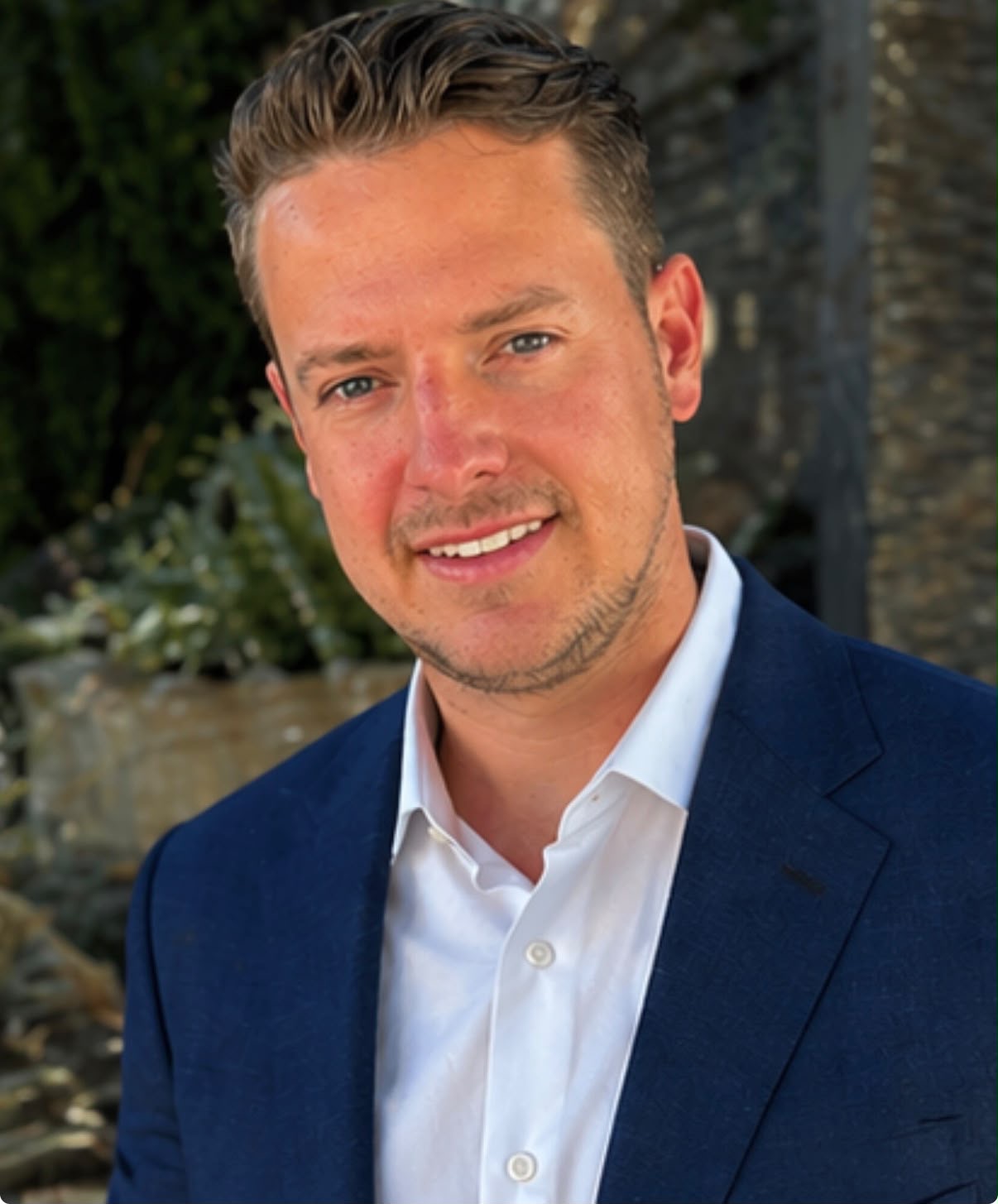
Matthew Cline
In his own words
